Essential Vehicle Inspections for Turo, Uber, Lyft
- Ryan dunsmore
- Jul 8
- 4 min read

In the world of ridesharing and car rental services, ensuring that your vehicle is in top condition is not just a matter of convenience; it’s a necessity. Whether you are a Turo host, an Uber driver, or a Lyft operator, regular vehicle inspections can save you from unexpected breakdowns, enhance passenger safety, and improve your overall service quality. This blog post will guide you through the essential vehicle inspections you need to perform to keep your car ready for the road.

Understanding the Importance of Vehicle Inspections
Vehicle inspections are crucial for several reasons:
Safety: Regular checks help identify potential issues before they become serious problems, ensuring the safety of both the driver and passengers.
Compliance: Many ridesharing platforms have specific vehicle requirements. Regular inspections help ensure compliance with these standards.
Cost-Effectiveness: Preventative maintenance can save you money in the long run by avoiding costly repairs and downtime.
Customer Satisfaction: A well-maintained vehicle enhances the passenger experience, leading to better reviews and repeat business.
Key Areas to Inspect
1. Brakes
Brakes are one of the most critical safety components of any vehicle. Regular inspection of the brake pads, rotors, and fluid levels is essential.
Signs of Wear: Listen for squeaking or grinding noises when braking. If you notice these sounds, it’s time to have your brakes checked.
Brake Fluid: Ensure that the brake fluid is at the recommended level and is free of contaminants.
2. Tires
Tires are the only contact point between your vehicle and the road. Regular tire inspections can prevent blowouts and improve fuel efficiency.
Tread Depth: Use the penny test to check tread depth. Insert a penny into the tread; if you can see Lincoln's head, it's time for new tires.
Pressure: Check tire pressure regularly, especially before long trips. Under-inflated tires can lead to poor handling and increased fuel consumption.
3. Lights
Proper lighting is essential for safe driving, especially at night or in poor weather conditions.
Headlights and Taillights: Regularly check that all lights are functioning. Replace any burnt-out bulbs immediately.
Turn Signals: Ensure that turn signals are working correctly to communicate your intentions to other drivers.
4. Fluid Levels
Various fluids keep your vehicle running smoothly. Regularly checking these levels can prevent engine damage and improve performance.
Oil: Check the oil level and quality. Change the oil according to the manufacturer’s recommendations.
Coolant: Ensure that the coolant level is adequate to prevent overheating.
5. Windshield Wipers
Visibility is crucial for safe driving. Worn wipers can lead to dangerous situations during rain or snow.
Wiper Blades: Inspect wiper blades for wear and replace them if they leave streaks or miss spots.
Washer Fluid: Keep the windshield washer fluid reservoir full to ensure clear visibility.
Performing a Comprehensive Inspection
Step-by-Step Guide
Gather Your Tools: You will need a tire pressure gauge, oil dipstick, brake fluid tester, and a flashlight.
Start with the Exterior: Walk around the vehicle and check for any visible damage, such as dents or scratches.
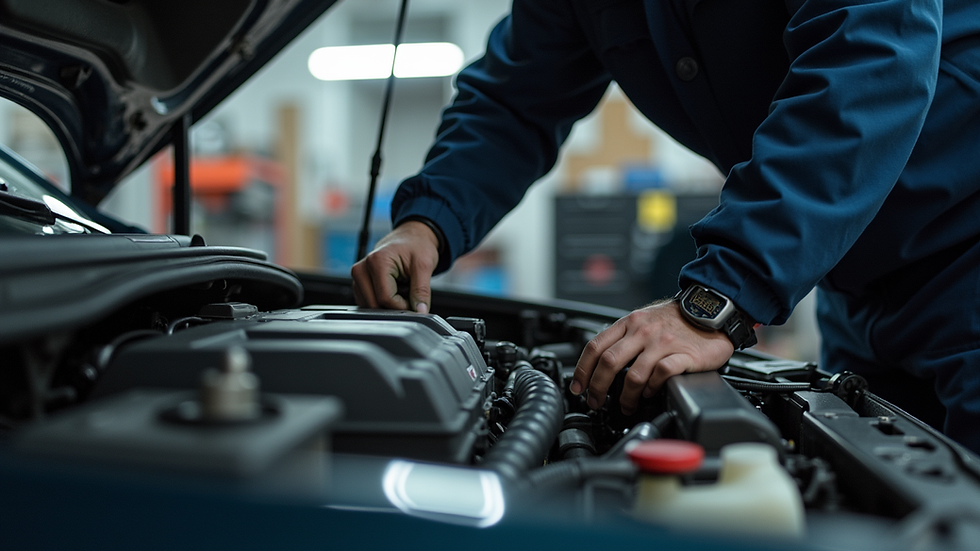
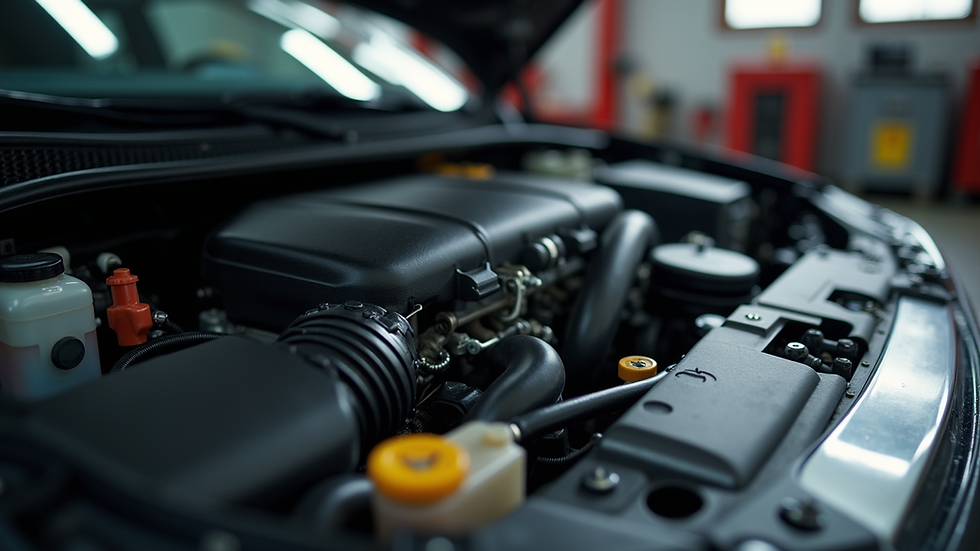
Check Under the Hood: Inspect fluid levels, belts, and hoses for wear or leaks.
Inspect the Tires: Check tread depth and pressure, and look for any signs of damage.
Test the Lights: Turn on the headlights, taillights, and turn signals to ensure they are functioning.
Take a Test Drive: Pay attention to how the vehicle handles, listen for unusual noises, and check the brakes.
Frequency of Inspections
Daily Checks: Before starting your shift, perform a quick visual inspection of the vehicle.
Weekly Checks: Inspect fluid levels and tire pressure weekly.
Monthly Checks: Conduct a more thorough inspection, including brakes and lights.
Professional Inspections: Schedule a professional inspection every 6 months or as recommended by your vehicle’s manufacturer.
Compliance with Ridesharing Platforms
Each ridesharing platform has specific vehicle requirements that must be met to ensure compliance. Here’s a quick overview:
Turo
Age and Condition: Vehicles must be in good condition and meet Turo’s age requirements.
Maintenance Records: Keep records of all maintenance and inspections to provide to potential renters.
Uber
Vehicle Inspection: Uber requires a vehicle inspection every year. This can be done at an authorized inspection center.
Safety Standards: Ensure your vehicle meets Uber’s safety standards, including functioning brakes, lights, and tires.
Lyft
Lyft Inspection: Similar to Uber, Lyft requires an annual vehicle inspection.
Documentation: Keep all inspection documents handy to show compliance during audits.
Benefits of Regular Inspections
Regular vehicle inspections offer numerous benefits:
Enhanced Safety: Keeping your vehicle in top condition reduces the risk of accidents.
Increased Earnings: A well-maintained vehicle can lead to more rides and better ratings.
Peace of Mind: Knowing your vehicle is safe and reliable allows you to focus on providing excellent service.
Conclusion
Regular vehicle inspections are essential for anyone involved in ridesharing or car rental services. By focusing on key areas such as brakes, tires, lights, fluid levels, and windshield wipers, you can ensure your vehicle remains safe and reliable. Compliance with platform requirements not only protects you but also enhances the experience for your passengers.
Take the time to perform these inspections regularly, and you’ll find that the benefits far outweigh the effort. Keep your vehicle in top shape, and you’ll be well on your way to providing exceptional service in the ridesharing industry.
Comments