How to Prepare Your Car for Ride-Sharing Inspections
- Ryan dunsmore
- Jul 8
- 4 min read

Ride-sharing has become a popular way to earn extra income, but before you hit the road, your vehicle must pass a thorough inspection. Preparing your car for these inspections can seem daunting, but with the right steps, you can ensure your vehicle meets all necessary requirements. This guide will walk you through the essential preparations to make your car inspection-ready.
Understanding Ride-Sharing Inspection Requirements
Before diving into the preparation process, it’s crucial to understand what ride-sharing companies typically look for during inspections. Each company may have slightly different requirements, but common criteria include:
Vehicle Age: Most ride-sharing services require vehicles to be less than a certain number of years old, often around 10 years.
Safety Features: Your car should have functioning seat belts, airbags, and brakes.
Exterior Condition: Dents, scratches, and rust can affect your vehicle's eligibility.
Interior Cleanliness: A clean and well-maintained interior is essential for passenger comfort.
By familiarizing yourself with these requirements, you can better prepare your vehicle for inspection.
Step-by-Step Preparation Guide
1. Perform a Thorough Cleaning
A clean car not only looks good but also creates a positive impression on passengers. Here’s how to get started:
Exterior Wash: Use a high-quality car wash soap and a microfiber cloth to avoid scratches. Don’t forget to clean the wheels and tires.
Interior Vacuuming: Remove all trash and vacuum the seats, carpets, and floor mats. Pay attention to hard-to-reach areas.
Wipe Surfaces: Use appropriate cleaners for the dashboard, windows, and other surfaces to remove dust and fingerprints.
2. Check Fluid Levels
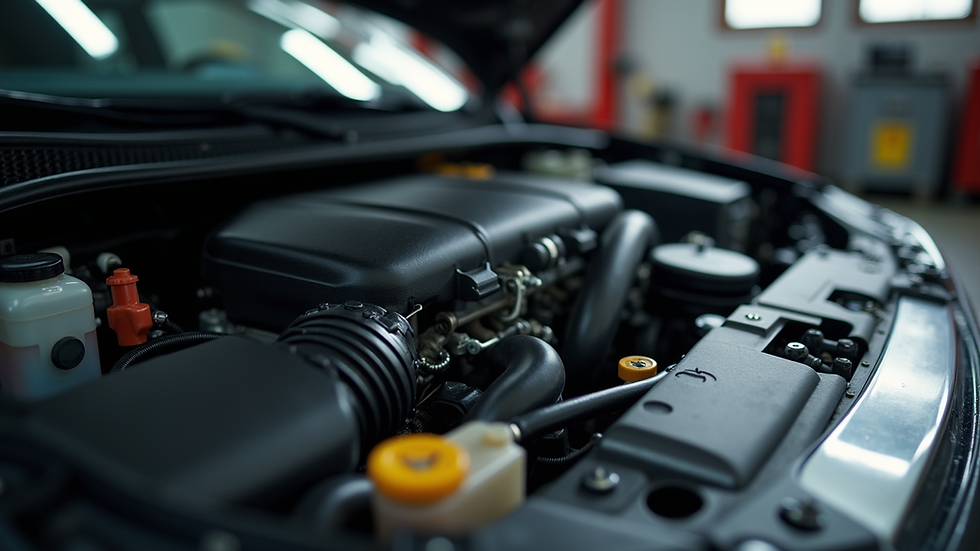
Proper fluid levels are critical for your vehicle's performance. Make sure to check:
Engine Oil: Ensure it’s at the correct level and change it if it’s dirty.
Coolant: Check the coolant level and top it off if necessary.
Brake Fluid: Ensure the brake fluid is at the recommended level.
Windshield Washer Fluid: Fill it up to ensure clear visibility.
3. Inspect Tires
Tires are one of the most critical components of your vehicle. Here’s what to check:
Tread Depth: Use a tread depth gauge to ensure your tires have adequate tread. Most ride-sharing companies require at least 2/32 of an inch.
Pressure: Check the tire pressure using a gauge and inflate them to the recommended PSI.
Condition: Look for any signs of damage, such as cracks or bulges.
4. Test Lights and Signals
All lights and signals must be functioning correctly for safety and compliance. Here’s how to check:
Headlights: Turn them on and ensure both high and low beams work.
Brake Lights: Have someone help you check if the brake lights illuminate when you press the brake pedal.
Turn Signals: Activate each turn signal and check that they blink properly.
5. Examine Safety Features
Safety features are crucial for both your protection and that of your passengers. Ensure the following:
Seat Belts: Check that all seat belts are functional and not frayed.
Airbags: Ensure the airbag warning light on your dashboard is not illuminated.
Brakes: Test the brakes to ensure they respond quickly and effectively.
6. Review Documentation
Having the right documentation is essential for a smooth inspection process. Make sure you have:
Registration: Ensure your vehicle registration is current and available.
Insurance: Check that your insurance policy meets the ride-sharing company’s requirements.
Inspection Report: If your vehicle has undergone a recent inspection, keep the report handy.
Common Issues and Solutions
Issue: Failed Inspection Due to Minor Repairs
Sometimes, minor repairs can lead to a failed inspection. Here’s how to address this:
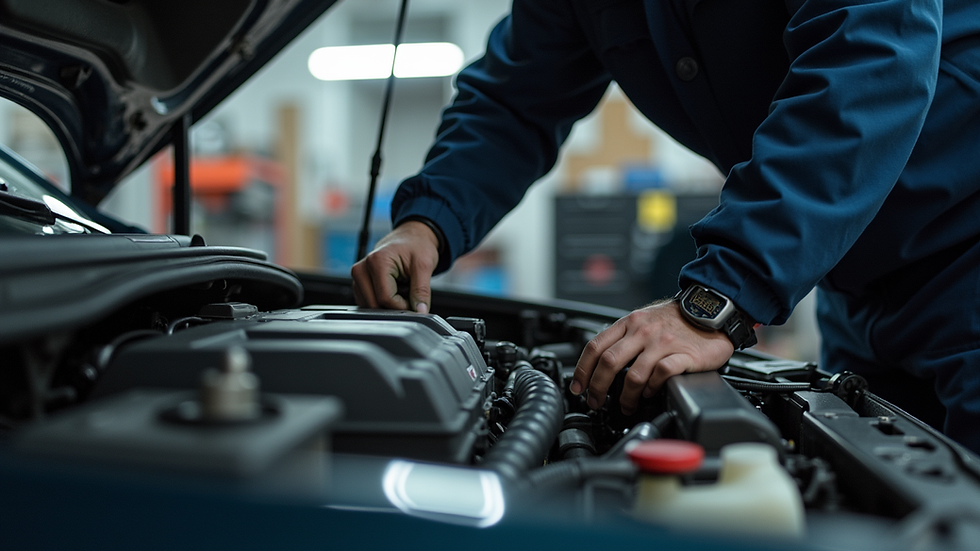
Solution: Take your vehicle to a trusted mechanic for a pre-inspection check. They can identify and fix issues before the official inspection.
Issue: Unclean Interior
A dirty interior can lead to a negative impression on passengers.
Solution: Regularly clean your car’s interior, especially if you frequently transport passengers. Consider using seat covers for added protection.
Issue: Tire Problems
Tires are often overlooked but are crucial for safety.
Solution: Regularly inspect your tires and replace them if they show signs of wear. Rotate them every 5,000 to 7,500 miles to ensure even wear.
Final Touches Before Inspection
1. Schedule Your Inspection
Once you’ve completed all the necessary preparations, schedule your inspection with your ride-sharing company. Make sure to choose a time that allows you to address any last-minute issues.
2. Arrive Early
On the day of the inspection, arrive early to avoid any last-minute stress. This gives you time to address any unexpected issues that may arise.
3. Stay Calm and Professional
During the inspection, remain calm and professional. If the inspector points out any issues, listen carefully and take notes. This will help you address any concerns for future inspections.
Conclusion
Preparing your car for ride-sharing inspections doesn’t have to be overwhelming. By following these steps, you can ensure your vehicle meets all necessary requirements and is ready to hit the road. Remember, a well-prepared car not only passes inspections but also provides a safe and comfortable experience for your passengers. Take the time to maintain your vehicle, and you’ll reap the rewards of a successful ride-sharing journey.
By keeping your car in top shape, you can focus on what really matters: providing excellent service to your passengers. Happy driving!

Comments