The Importance of Vehicle Inspections in Ride-Sharing Services
- Ryan dunsmore
- Jul 8
- 5 min read

In the rapidly evolving world of ride-sharing services, safety is paramount. With millions of rides taken daily, ensuring that vehicles are in top condition is not just a regulatory requirement but a critical factor in maintaining passenger trust and satisfaction. Vehicle inspections play a vital role in this ecosystem, serving as a safeguard for both drivers and passengers. This blog post delves into the significance of vehicle inspections in ride-sharing services, exploring their benefits, the inspection process, and how they contribute to overall safety.
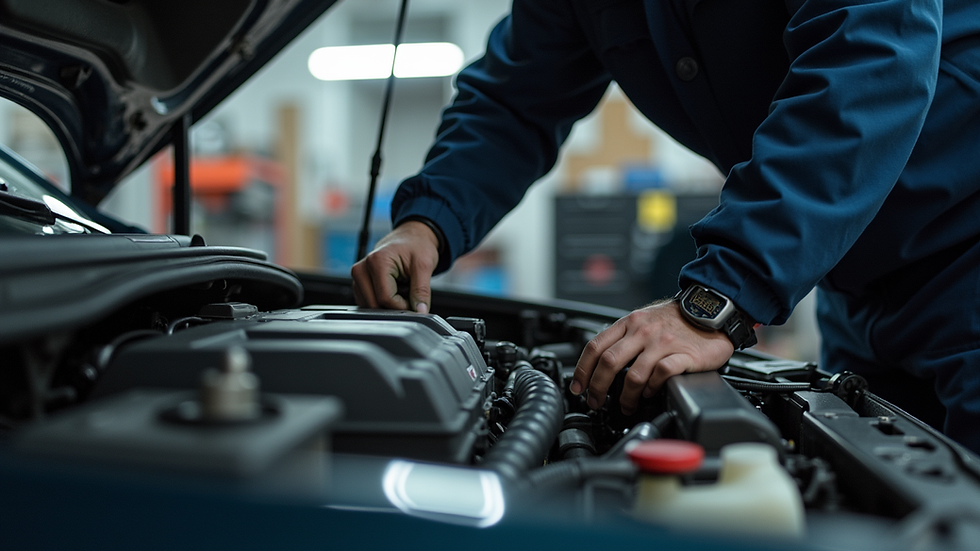
Understanding Vehicle Inspections
Vehicle inspections are systematic checks performed on vehicles to ensure they meet safety and operational standards. These inspections can be mandated by law or conducted voluntarily by vehicle owners. In the context of ride-sharing services, inspections are crucial for several reasons:
Safety Assurance: Regular inspections help identify potential issues before they become serious problems, ensuring that vehicles are safe for passengers.
Regulatory Compliance: Many jurisdictions require ride-sharing vehicles to undergo periodic inspections to comply with local laws.
Enhanced Reliability: Well-maintained vehicles are less likely to break down, leading to a more reliable service for passengers.
The Inspection Process
The vehicle inspection process typically involves several key steps:
Visual Inspection: Mechanics check the exterior and interior of the vehicle for any visible damage or wear. This includes checking the body, windows, and lights.
Mechanical Checks: Essential components such as brakes, tires, and the engine are examined for functionality. Mechanics will look for signs of wear and tear that could affect performance.
Emissions Testing: Many regions require emissions testing to ensure that vehicles meet environmental standards. This helps reduce pollution and promotes cleaner air.
Documentation Review: Inspectors verify that all necessary paperwork, such as registration and insurance, is up to date.
Final Approval: Once all checks are completed, the vehicle is either approved for use or flagged for repairs.
Benefits of Regular Inspections
Regular vehicle inspections offer numerous benefits for ride-sharing services, including:
Improved Safety
Safety is the top priority for ride-sharing companies. Regular inspections help ensure that vehicles are mechanically sound and safe for passengers. For instance, a study by the National Highway Traffic Safety Administration (NHTSA) found that regular vehicle maintenance can reduce the risk of accidents caused by mechanical failures.
Increased Driver Confidence
Drivers who know their vehicles are regularly inspected and maintained are likely to feel more confident on the road. This confidence can translate into better driving performance and a more positive experience for passengers.
Enhanced Customer Satisfaction
Passengers are more likely to choose a ride-sharing service that prioritizes safety and reliability. By ensuring that vehicles are in excellent condition, companies can enhance customer satisfaction and build a loyal user base.
Cost Savings
While inspections may seem like an added expense, they can save money in the long run. Identifying and addressing issues early can prevent costly repairs down the line. Additionally, well-maintained vehicles are less likely to experience breakdowns, reducing downtime and lost income for drivers.
Regulatory Requirements
In many regions, ride-sharing services are subject to specific regulatory requirements regarding vehicle inspections. These regulations can vary significantly from one jurisdiction to another. For example:
California: Ride-sharing vehicles must undergo a vehicle inspection every two years, including a safety inspection and a verification of the vehicle's registration and insurance.
New York City: All for-hire vehicles, including those used for ride-sharing, must pass an inspection every six months.
Understanding and adhering to these regulations is crucial for ride-sharing companies to operate legally and maintain their reputation.
The Role of Technology in Inspections
Technology is transforming the vehicle inspection process, making it more efficient and effective. Here are some ways technology is being integrated into inspections:
Mobile Inspection Apps
Many ride-sharing companies are adopting mobile apps that allow drivers to conduct self-inspections. These apps guide drivers through the inspection process, ensuring that all necessary checks are completed. This not only streamlines the process but also empowers drivers to take responsibility for their vehicle's condition.
Diagnostic Tools
Advanced diagnostic tools can quickly identify potential issues within a vehicle. These tools can connect to a vehicle's onboard computer to provide real-time data on performance and maintenance needs. This information can be invaluable for both drivers and mechanics.
Data Analytics
Data analytics can help ride-sharing companies track inspection results and identify trends. For example, if a particular model of vehicle consistently fails inspections, the company can take proactive measures to address the issue, such as providing additional training for drivers or recommending alternative vehicles.
Case Studies: Successful Implementation of Inspections
Several ride-sharing companies have successfully implemented rigorous vehicle inspection protocols, leading to improved safety and customer satisfaction. Here are a couple of examples:
Uber
Uber has established a comprehensive vehicle inspection program that requires drivers to have their vehicles inspected at least once a year. The company partners with local mechanics to provide inspections at discounted rates. This initiative has not only improved vehicle safety but also enhanced driver confidence and passenger trust.
Lyft
Lyft has a similar inspection program, requiring drivers to submit their vehicles for inspection every year. The company also offers a checklist for drivers to perform self-inspections, ensuring that they are aware of their vehicle's condition. This proactive approach has contributed to Lyft's reputation for safety and reliability.
Challenges in Vehicle Inspections
While vehicle inspections are essential, they are not without challenges. Some common issues include:
Compliance Variability
The lack of uniform regulations across different regions can create confusion for ride-sharing companies. Companies operating in multiple jurisdictions must navigate varying inspection requirements, which can be time-consuming and costly.
Driver Awareness
Not all drivers may be aware of the importance of regular inspections or the specific requirements in their area. Companies must invest in education and training to ensure that drivers understand their responsibilities.
Cost Implications
While inspections can save money in the long run, the upfront costs can be a barrier for some drivers. Companies may need to explore ways to subsidize inspection costs or provide financial incentives for drivers to maintain their vehicles.
Future Trends in Vehicle Inspections
As the ride-sharing industry continues to evolve, so too will the approach to vehicle inspections. Here are some trends to watch for:
Increased Automation
The future may see more automated inspection processes, with technology playing a larger role in identifying issues and streamlining the inspection process. This could lead to faster turnaround times and reduced costs.
Integration with Autonomous Vehicles
As autonomous vehicles become more prevalent, the inspection process will need to adapt. Ensuring the safety of self-driving cars will require new standards and protocols that differ from traditional vehicle inspections.
Focus on Sustainability
With growing concerns about environmental impact, future inspections may place greater emphasis on sustainability. This could include checks for emissions and fuel efficiency, encouraging ride-sharing companies to adopt greener practices.
Conclusion
Vehicle inspections are a critical component of ride-sharing services, ensuring safety, compliance, and customer satisfaction. By prioritizing regular inspections, ride-sharing companies can enhance the overall experience for both drivers and passengers. As the industry continues to evolve, embracing technology and adapting to new challenges will be essential for maintaining high standards of safety and reliability.
For ride-sharing companies, the takeaway is clear: investing in vehicle inspections is not just a regulatory requirement; it is a commitment to safety and quality that can set them apart in a competitive market.

Comments